Loyalty Mechanisms in Digital Casino Platforms and Their Role in Sustaining Player Participation
Ulrich Albrecht · Nov 23, 2026
Loyalty Mechanisms in Digital Casino Platforms and Their Role in Sustaining Player Participation
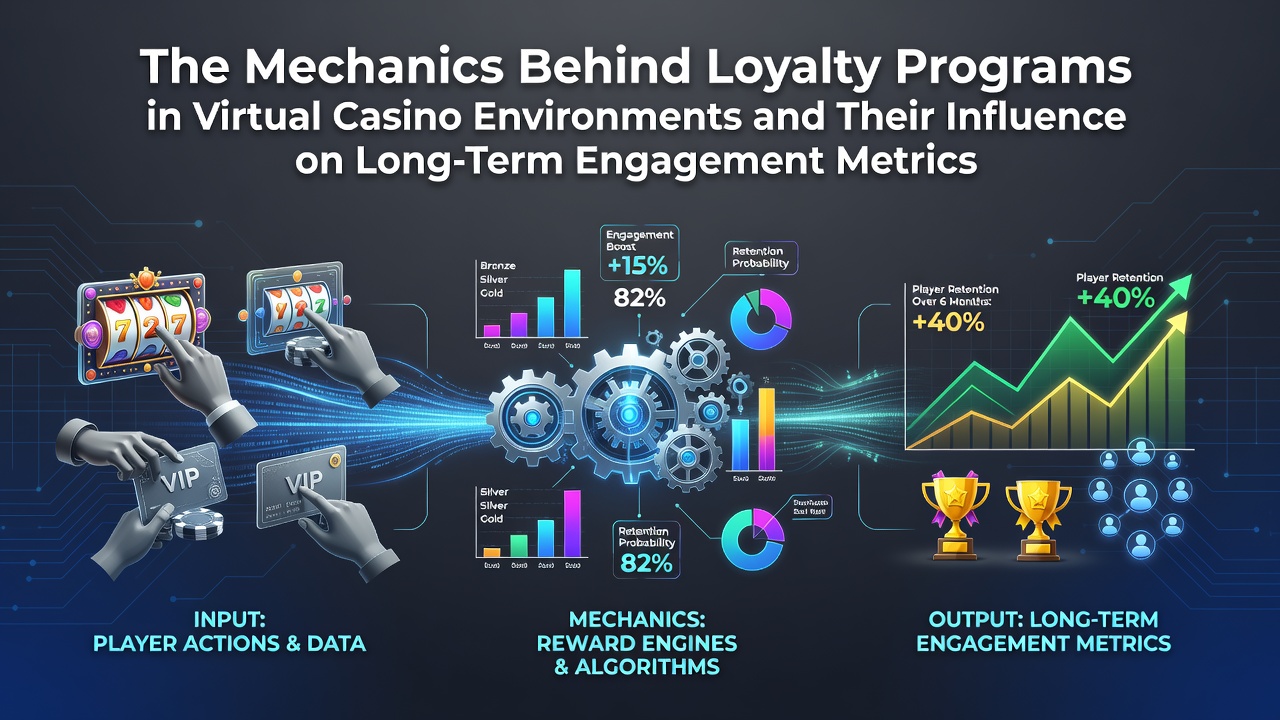
Virtual casino operators structure loyalty programs around point systems that accumulate based on wager volume and game type, with data tracking software logging every bet to calculate rewards in real time. These frameworks assign players to tiers such as bronze, silver, gold, and platinum, where higher levels unlock benefits including faster withdrawal processing, exclusive game access, and personalized cashback percentages. Researchers at institutions tracking online gambling patterns note that point accrual rates often differ by game category, with slots contributing more points per dollar wagered than table games because of higher house edges and faster play speeds.
Engagement metrics shift when operators deploy these tiered structures because players extend session durations to reach the next threshold, and return visit frequency rises as accumulated points convert into tangible perks. Data from platform analytics reveals that players in mid-tier levels maintain average session lengths 25 percent longer than those in entry levels, while churn rates drop among those who cross into premium tiers within the first three months of activity. Operators adjust reward formulas seasonally, incorporating multipliers during promotional windows to boost participation without altering base game odds.
Point Systems and Tier Progression
Core mechanics rely on real-time databases that convert bets into loyalty points at predefined ratios, and these points feed into algorithms determining tier eligibility after set evaluation periods. Players advance when cumulative points hit benchmarks, yet some platforms reset progress annually to encourage consistent activity across the full calendar year. Studies conducted by the University of Nevada Reno gaming research group show that transparent point displays on user dashboards correlate with higher completion rates of tier requirements, because visible progress motivates continued play. Operators integrate these systems with customer relationship management tools that flag players approaching tier upgrades and trigger targeted offers to accelerate movement.
Bonus structures attached to tiers vary widely, ranging from percentage-based deposit matches reserved for top levels to free spin allocations scaled by monthly point totals. Those who study engagement data observe that players receiving tier-specific bonuses demonstrate elevated lifetime value compared with non-tiered users, as the perceived exclusivity reduces switching to competing platforms. In November 2026 several major operators introduced cross-game point pooling, allowing wagers from slots, roulette, and live dealer tables to contribute equally toward tier status, a change that flattened participation disparities across game categories.
Data Analytics Driving Personalization
Virtual casino environments collect granular player data including bet size, game preference, session timing, and deposit frequency, then feed this information into machine learning models that tailor loyalty offers. These models predict which rewards will most effectively extend engagement, such as matching a player’s preferred game with bonus credits or scheduling reload bonuses during historically low-activity periods. Reports from the Canadian Gaming Association indicate that personalized loyalty interventions increase average revenue per user by measurable margins when deployed consistently across user segments.
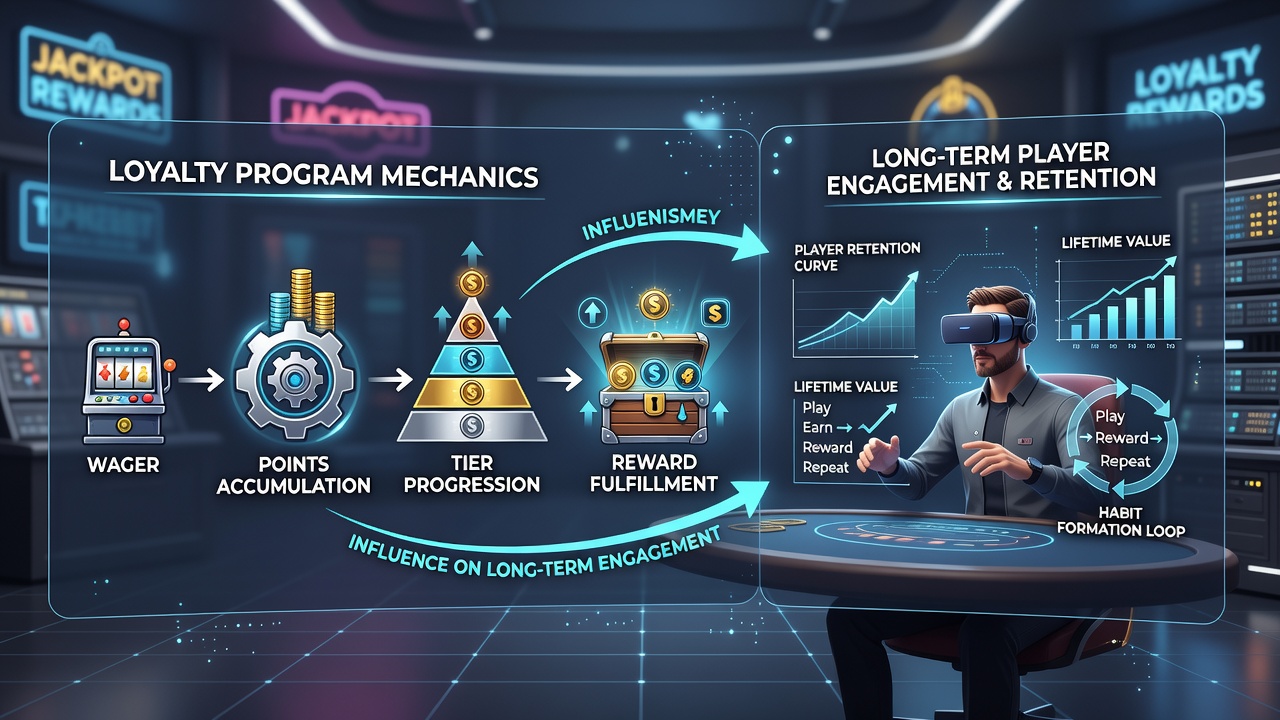
Retention algorithms monitor drop-off signals such as reduced login frequency or smaller average bets, then trigger retention bonuses calibrated to the player’s historical spend patterns. This approach keeps long-term metrics stable because interventions occur before full disengagement sets in. Observers note that platforms combining loyalty data with behavioral triggers achieve lower player attrition over six-month windows than those relying on generic promotions alone.
Impact on Long-Term Metrics
Longitudinal tracking shows loyalty programs influence key indicators including monthly active users, average revenue per paying user, and session depth. Platforms that maintain clear progression paths record higher percentages of players returning after 30 days, because the promise of upcoming rewards creates recurring motivation. Evidence from academic analyses of digital gambling datasets confirms that tiered systems produce compounding effects, where early engagement gains translate into sustained participation over multiple quarters. Operators refine these programs by A/B testing reward structures, comparing cohorts exposed to different point multipliers or bonus frequencies to isolate variables that move retention curves.
Geographic regulatory environments shape program design, with operators in jurisdictions such as New Jersey and Ontario requiring clear disclosure of point values and redemption terms to maintain compliance. These rules affect how quickly players perceive value, which in turn influences whether loyalty mechanics translate into measurable engagement lifts. Industry reports compiled by the Australian Institute of Criminology highlight that transparent structures reduce player frustration and support steadier long-term activity patterns across regulated markets.
Conclusion
Virtual casino loyalty programs operate through interconnected point accumulation, tier advancement, and data-driven personalization that together shape player behavior and sustain participation metrics over extended periods. As operators continue refining these systems with cross-game pooling and predictive modeling, engagement patterns evolve in response to the incentives presented. Regulatory oversight across multiple jurisdictions ensures these mechanics remain visible to players, allowing continued evaluation of their influence on retention and revenue indicators.