Cross-Casino Mobile Bonus Integration Patterns Observed Across Platform Ecosystems
Rafael Günther · Oct 26, 2026
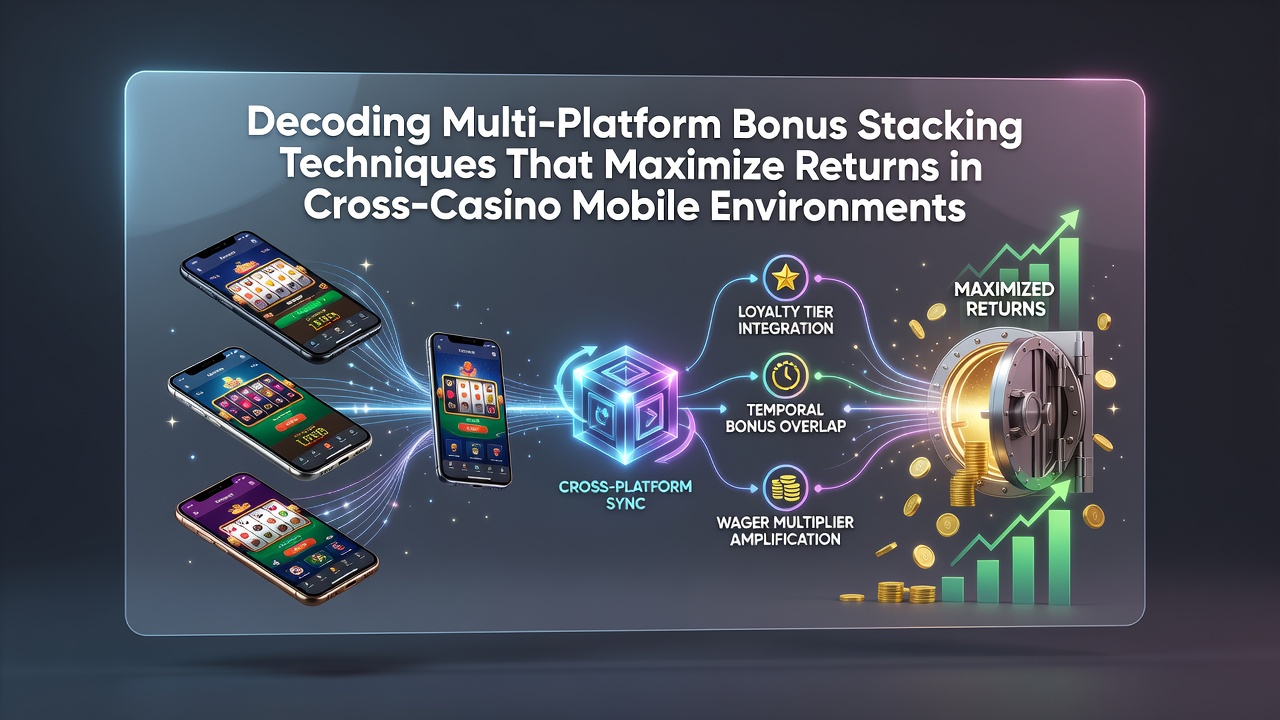
Cross-Casino Mobile Bonus Integration Patterns Observed Across Platform Ecosystems
Operators in the mobile casino sector have developed layered reward structures that allow players to combine promotional credits from separate applications while managing distinct account profiles and device identifiers, and data collected through app analytics platforms shows consistent usage patterns emerging in multiple jurisdictions. These structures rely on synchronized login sequences, shared payment processors, and timed deposit triggers that align across different software providers, while regulatory filings from bodies such as the Nevada Gaming Control Board document the growth of multi-app engagement among users who maintain parallel profiles.
Core Components of Cross-Platform Reward Structures
Bonus categories typically include deposit matches, free spin allocations, and cashback percentages, each governed by separate wagering multipliers that range from twenty-five times to fifty times the credited amount according to operator disclosures published in October 2026. Mobile environments facilitate these combinations through push notification scheduling and cloud-based session tracking, which enable users to initiate qualifying deposits on one application and activate corresponding offers on another within narrow time windows. Research from the University of Nevada Reno gaming analytics laboratory indicates that synchronized timing between deposit confirmations and bonus activation codes produces measurable increases in total credited value when accounts remain compliant with individual platform rules.
Device Fingerprinting and Account Segmentation Techniques
Applications employ device fingerprinting algorithms that record hardware identifiers, operating system versions, and network signatures, yet users segment their activity by switching between virtual private networks and multiple registered devices to keep profiles isolated. Industry reports compiled by the American Gaming Association reveal that segmentation practices appear most frequently among users who rotate between three or more applications during a single session cycle, and these patterns correlate with higher aggregate bonus redemption rates tracked through anonymized transaction logs. Payment gateways that support instant bank transfers further reduce friction when funds move between accounts tied to the same banking credentials, although each platform maintains independent verification protocols that require separate documentation uploads.
Observed Data Trends from October 2026 Platform Logs
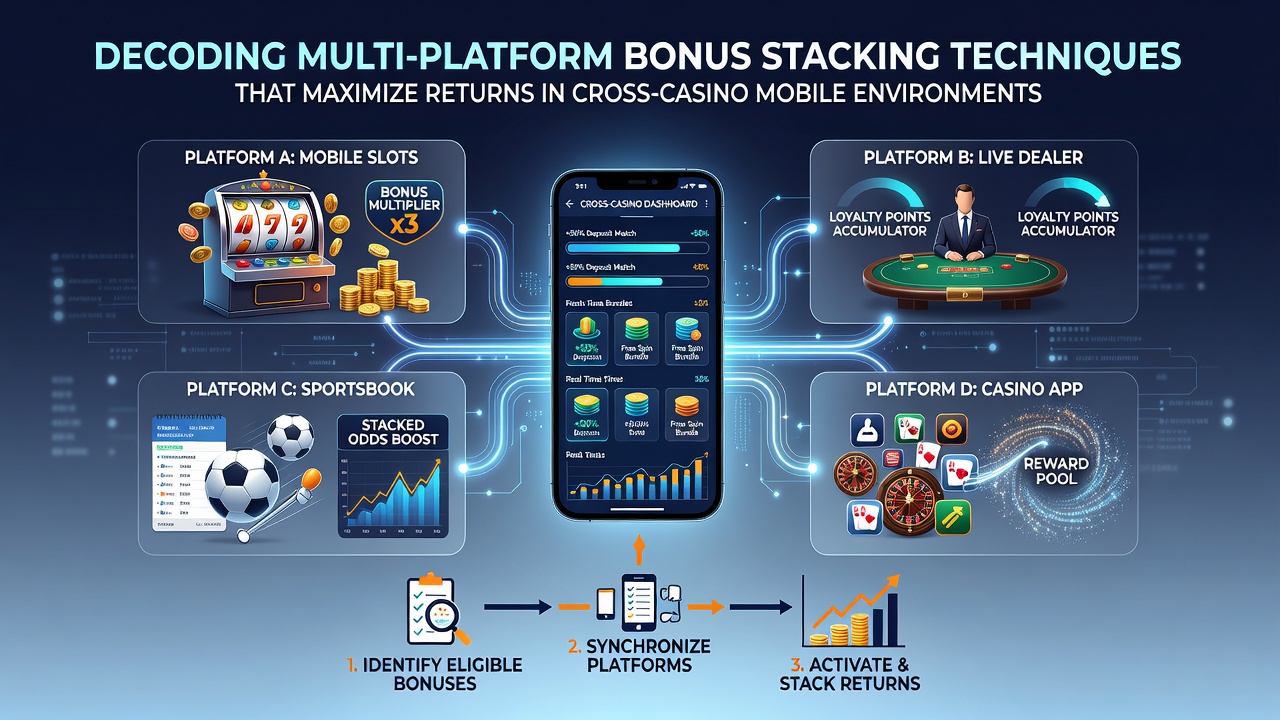
Platform telemetry gathered during October 2026 shows a 17 percent rise in concurrent multi-app logins compared with the same month in the prior year, with peak activity occurring between 8 pm and midnight local time across North American and European time zones. Figures released by the Canadian Centre for Gaming Research document similar increases in provinces where multiple licensed operators maintain mobile offerings, and the data links these trends to coordinated use of loyalty point exchanges that convert credits from one ecosystem into playable balances on another. Observers note that successful combinations often involve matching a deposit bonus on one application with a no-deposit free spin offer on a second application, followed by cashback activation on a third, provided each operator's terms permit external promotional activity.
Regional Regulatory Frameworks Influencing Integration Practices
Authorities in New Jersey and Pennsylvania require operators to maintain separate player databases that prevent automatic data sharing between brands owned by the same parent company, while Australian state regulators impose additional disclosure rules when promotional offers cross jurisdictional lines. These frameworks shape the technical boundaries within which stacking sequences can operate, and compliance documentation filed with the New Jersey Division of Gaming Enforcement lists specific prohibitions against the use of shared referral codes across distinct license holders. European operators operating under Malta Gaming Authority oversight publish terms that explicitly address the combination of welcome packages from multiple applications, creating documented pathways for users who structure their activity accordingly.
Payment Flow Synchronization and Verification Protocols
Instant payment systems such as e-wallets and open banking transfers allow funds to move between accounts without incurring delays that would break bonus activation windows, and transaction logs from October 2026 indicate that average transfer times between linked mobile wallets fell below eight seconds during peak periods. Verification steps that include facial recognition and document uploads must be completed independently on each platform, which extends setup time yet ensures that each account satisfies its own regulatory requirements. Operators have introduced shared know-your-customer databases in certain markets to streamline repeated verifications, although participation remains voluntary and varies by licensing jurisdiction.
Conclusion
Platform data collected through October 2026 demonstrates measurable patterns in how users combine promotional elements across separate mobile applications while adhering to individual operator constraints. Regulatory filings and academic analyses continue to track these developments, providing quantitative records of redemption volumes, timing sequences, and geographic variations that define current multi-platform activity.